The Ultimate Guide to Artificial Grass and Installation
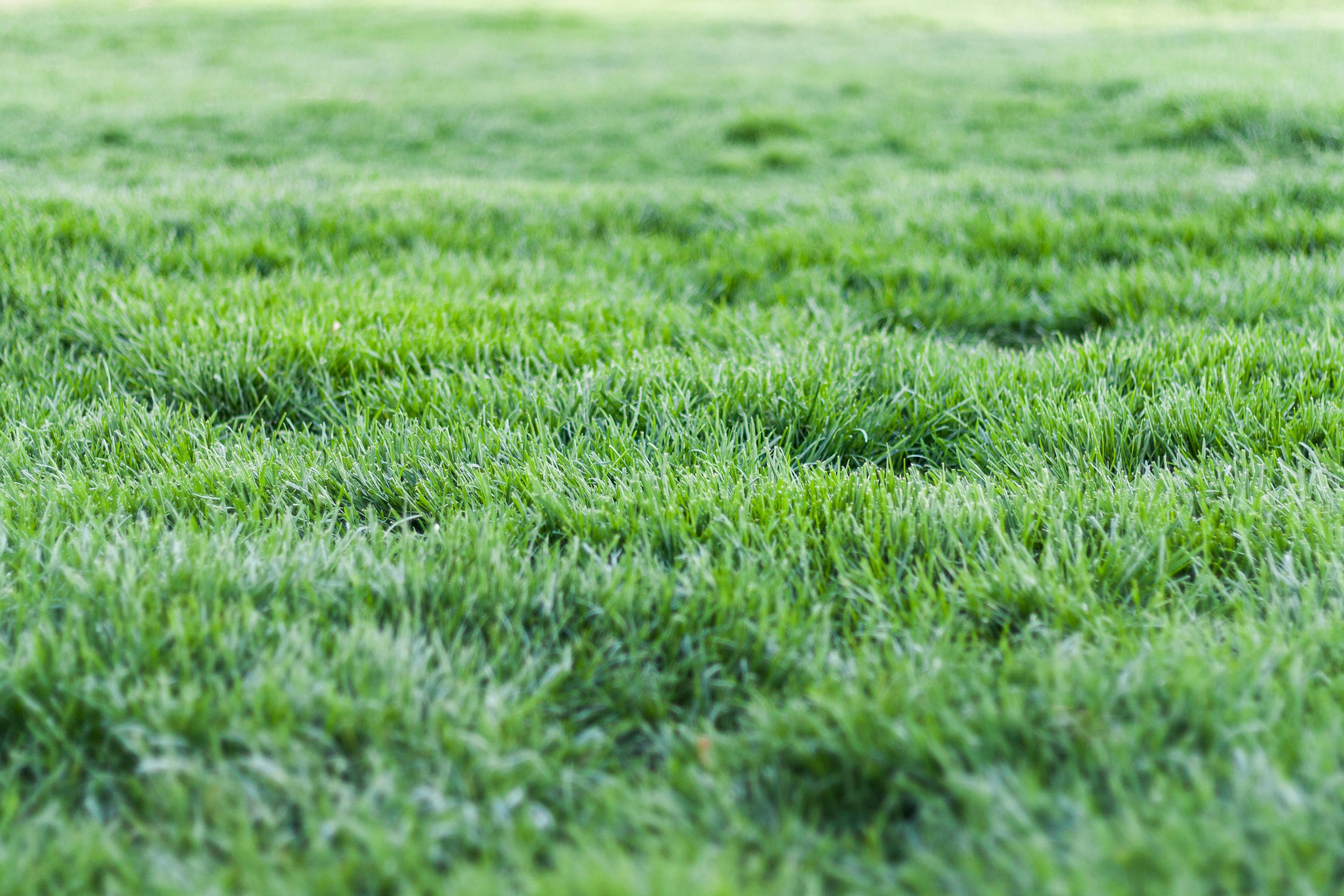
In recent years, artificial grass has emerged as a popular alternative to natural grass, offering a low-maintenance solution that remains lush and vibrant throughout the year. This guide will walk you through everything you need to know about artificial grass, from its benefits to the installation process. Whether you’re transforming a residential backyard or enhancing a commercial space, understanding the nuances of synthetic turf can help you make an informed decision.
The Benefits of Artificial Grass
Embracing artificial grass comes with a multitude of advantages that cater to different needs and preferences:
- Low Maintenance: Unlike natural grass, artificial turf doesn’t require watering, mowing, or fertilizing, reducing the time and cost associated with upkeep.
- Durability: Synthetic grass is designed to withstand heavy foot traffic and extreme weather conditions, making it an ideal choice for various landscapes.
- Eco-Friendly: By eliminating the need for pesticides and fertilizers, artificial grass contributes to a healthier environment.
- Consistent Aesthetic: Artificial grass maintains its vibrant green appearance year-round, enhancing the aesthetic appeal of any outdoor space.
Choosing the Right Artificial Grass
Selecting the appropriate type of artificial grass involves considering several factors to ensure the best fit for your specific needs. Discover expert strategies here.
Factors to Consider
- Intended Use: Determine whether the area will be used for recreational, residential, or commercial purposes to select turf with the appropriate durability and density.
- Foot Traffic: Areas with high foot traffic require more robust and dense grass to endure wear and tear.
- Budget: Artificial grass comes in a range of prices. Balance cost with quality to ensure a worthwhile investment.
- Appearance: Choose a shade and texture that complements the surrounding environment and meets personal aesthetic preferences.
The Installation Process
Proper installation is crucial for maximizing the longevity and appearance of artificial grass. Here’s a step-by-step overview of the installation process. Learn about our tailored solutions.
Preparation
- Area Assessment: Measure the space accurately and plan for drainage to prevent water accumulation.
- Base Layer: Excavate the existing surface and create a solid base layer using crushed rocks or gravel for stability.
Installation
- Laying the Turf: Unroll the artificial grass and let it acclimate to the area before trimming it to fit the space perfectly.
- Securing the Turf: Use landscape staples or adhesive to secure the edges and seams, ensuring a seamless appearance.
Post-Installation Care
- Brushing: Regularly brush the grass to maintain its upright position and enhance its natural look.
- Cleaning: Rinse the turf to remove debris and prevent odor buildup, especially in pet-friendly areas.
Conclusion
Artificial grass offers an array of benefits and a versatile solution for a variety of landscapes. Understanding the selection and installation process is vital to maximizing its advantages. Whether for a residential garden or a commercial property, artificial turf can transform outdoor spaces with minimal maintenance efforts. Explore advanced guides and tips to ensure successful installation and enjoyment of your artificial grass for years to come. Find out more about this approach and elevate your outdoor space with confidence.