Roof Pressure Cleaning: Protecting Your Home from Damage
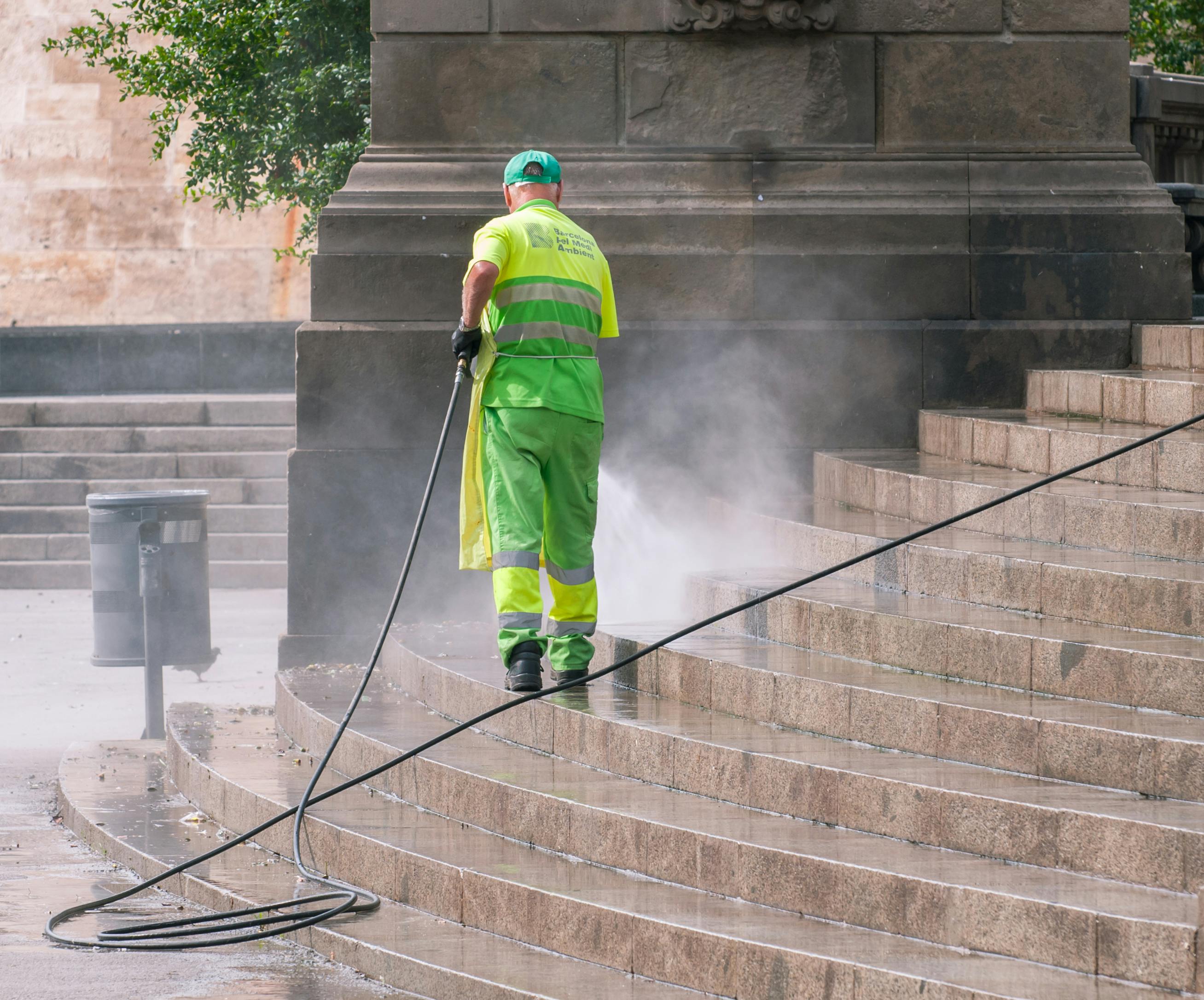
Roof pressure cleaning is a vital maintenance task that helps preserve the structural integrity and aesthetic appeal of a home. Over time, roofs accumulate moss, algae, lichen, dust, and other debris that can trap moisture, accelerate wear, and lead to costly repairs. By employing the right cleaning methods and safety practices, homeowners can protect their investment, improve energy efficiency, and extend the lifespan of roofing materials. This article outlines the key considerations, techniques, and preventive measures for effective roof pressure cleaning.
Understanding the Need for Roof Pressure Cleaning
Regular cleaning addresses several common issues that can compromise a roof’s performance:
- Moss and Algae Growth: These organisms retain water, creating a damp environment that promotes rot.
- Debris Buildup: Leaves, twigs, and dust block ventilation, reducing the roof’s ability to dry quickly.
- Staining and Discoloration: Unsightly dark streaks lower curb appeal and may indicate underlying damage.
- Reduced Energy Efficiency: A dirty roof reflects less sunlight, causing the home to work harder to maintain temperature.
For a deeper dive into the benefits of cleaning, Read more about this topic.
Choosing the Right Pressure Cleaning Method
Low-Pressure Soft Wash vs. High-Pressure Spray
Not all roofing materials can tolerate the same level of force. Selecting the appropriate technique prevents surface damage:
- Soft Wash (Low Pressure): Ideal for asphalt shingles, tile, and metal roofs. Uses a gentle stream combined with biodegradable cleaning solutions to break down organic growth without harming the material.
- High-Pressure Spray: Reserved for sturdy surfaces such as concrete or stone tiles. Requires precise nozzle control to avoid dislodging granules or causing cracks.
When deciding which approach suits a specific roof, Learn more in this detailed guide.
Key Equipment and Materials
- Adjustable pressure washer with variable PSI settings.
- Soft-bristle brush or low-impact wand.
- Eco-friendly cleaning agents formulated for roof use.
- Safety harness, non-slip footwear, and protective eyewear.
Step-by-Step Roof Pressure Cleaning Process
- Inspection: Examine the roof for loose shingles, cracked tiles, or vulnerable areas that may require repair before cleaning.
- Preparation: Clear gutters, trim overhanging branches, and cover nearby plants with tarps to protect them from runoff.
- Application of Cleaner: Apply the cleaning solution evenly, allowing it to dwell for 5-10 minutes to loosen organic matter.
- Rinsing: Using the appropriate pressure setting, rinse from the top down, ensuring water flows off the roof and does not pool.
- Final Inspection: Verify that all debris is removed and that the roof surface remains intact.
For a comprehensive checklist of each stage, Explore further insights here.
Safety Precautions and Best Practices
- Work at Ground Level When Possible: Use telescopic wands to reach higher sections without climbing.
- Secure Ladder Placement: Ensure the ladder is on stable ground and angled correctly (75 degrees).
- Electrical Safety: Keep power cords away from wet areas and use ground-fault circuit interrupters (GFCIs).
- Weather Conditions: Avoid cleaning on windy days or when rain is imminent, as water runoff can become hazardous.
Adhering to these guidelines minimizes the risk of accidents and protects the roof from inadvertent damage. Detailed safety protocols can be found by Find additional information here.
Maintaining a Clean Roof Over Time
Preventive maintenance reduces the frequency of intensive pressure cleaning:
- Trim Vegetation: Keep trees and shrubs trimmed to limit shade and moisture retention.
- Install Zinc or Copper Strips: These metals naturally inhibit moss and algae growth.
- Schedule Routine Inspections: Conduct visual checks at least twice a year, preferably in spring and autumn.
- Apply Protective Coatings: Consider breathable sealants designed for roofing materials.
Integrating these practices creates a proactive maintenance plan that extends roof life and reduces cleaning costs. For a full maintenance timeline, Read more about this topic.
Environmental Considerations
Eco-friendly roof cleaning respects both the home and the surrounding ecosystem:
- Choose biodegradable detergents that break down without harming soil or waterways.
- Collect runoff when possible, especially in areas with strict water-use regulations.
- Limit water pressure to the lowest effective level to conserve resources.
Balancing effective cleaning with environmental stewardship ensures long-term sustainability. For guidelines on green cleaning methods, Explore further insights here.
Conclusion
Proper roof pressure cleaning safeguards a home against moisture-related damage, preserves visual appeal, and supports energy efficiency. By understanding material-specific techniques, employing the right equipment, following strict safety protocols, and establishing a regular maintenance schedule, homeowners can protect their roofs for years to come. Incorporating environmentally responsible practices further enhances the benefits, delivering a clean, durable roof while respecting the surrounding landscape.