Mastering Puppy Leash Training: Tips and Tricks
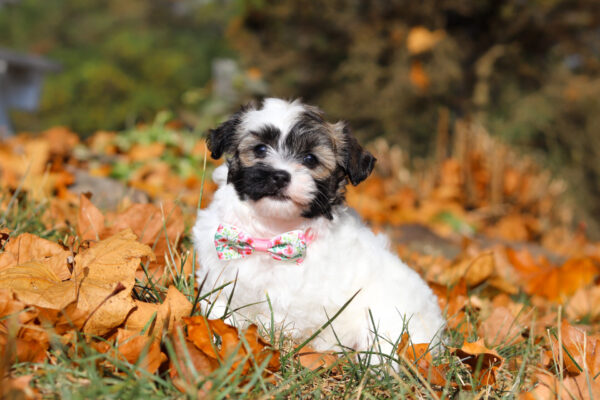
Leash training is an essential aspect of raising a well-behaved puppy. It not only ensures the safety and security of your furry friend but also strengthens the bond between you and your pet. However, mastering the art of leash training can be a challenge for many pet owners. With consistent practice and the right techniques, you can transform your puppy’s walking experience from chaotic to calm. This article provides insights into effective leash training strategies and tips that can make a significant difference in your puppy’s behavior.
Understanding the Basics
Before diving into advanced techniques, it’s crucial to grasp the foundational elements of leash training. The primary goal is to teach your puppy to walk beside you calmly without pulling on the leash. This involves:
- Choosing the right leash and collar: A comfortable fit is essential.
- Setting objectives: Determine what behaviors you want to encourage.
- Consistency: Regular training sessions are vital for progress.
For more detailed information on foundational training, you can explore advanced guides and tips that are tailored for beginners.
Effective Strategies for Leash Training
Positive Reinforcement
Reward-based training is one of the most effective methods for teaching puppies new behaviors. Here”?s how to use positive reinforcement:
- Offer treats for good behavior: Reward your puppy when they walk calmly beside you.
- Use a clicker: A clicker can help mark the desired behavior, making it easier for your puppy to understand what is expected.
- Consistency is key: Regularly reinforce positive behavior to instill good habits.
To delve deeper into these strategies, find out more about this approach to ensure success.
Addressing Common Challenges
Even with the best techniques, challenges may arise. Addressing these issues promptly can prevent them from becoming entrenched habits.
- Puppy pulling: Stop walking whenever your puppy pulls. Resume only when they return to your side.
- Distraction management: Gradually introduce distractions and practice commands in various environments.
- Fear of the leash: Allow your puppy to wear the leash indoors to become accustomed to its presence.
For more insights on handling specific challenges, discover expert strategies here.
Advanced Techniques for Experienced Trainers
Once the basics are mastered, more advanced training methods can be introduced to further enhance your puppy”?s behavior.
Loose Leash Walking
Training your puppy to walk on a loose leash involves:
- Short, frequent sessions: Keep training sessions brief to maintain your puppy’s attention.
- Changing directions: Randomly change your walking direction to encourage your puppy to focus on you.
- Variable rewards: Occasionally reward with treats or praise, so your puppy stays engaged.
To understand these methods better, learn about our tailored solutions for advanced trainers.
Socialization and Leash Training
Socialization plays a crucial role in leash training. Exposing your puppy to different environments and other dogs can significantly improve their behavior on the leash. Key points include:
- Gradual exposure: Slowly introduce your puppy to new environments.
- Controlled interactions: Allow your puppy to meet other dogs in a controlled setting.
- Observation: Pay attention to your puppy’s body language to ensure they are comfortable.
To enhance your understanding of this aspect, explore advanced guides and tips on socialization.
Mastering puppy leash training requires patience, consistency, and a strategic approach. By understanding the basics and gradually introducing advanced techniques, you can ensure that your puppy becomes a well-mannered companion. For those seeking comprehensive guidance, additional resources are available to help you refine your training methods. Remember, the key to success lies in making the experience positive for both you and your puppy.