Innovate with Cutting-Edge Industrial Product Development
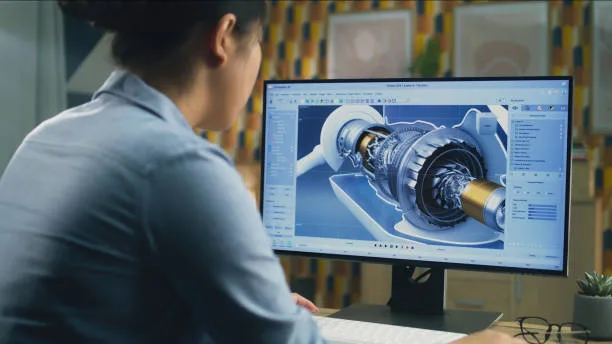
In today’s rapidly evolving market landscape, innovation in industrial product development is imperative. The competitive edge is often determined by how effectively a company can harness new technologies and methodologies. From conceptualization to execution, each phase of product development demands a strategic approach to meet the diverse needs of consumers and industries. Understanding these dynamics is key to transforming ideas into successful, market-ready products.
Understanding the Industrial Product Development Process
The process of developing industrial products involves several stages, each critical to the overall success of the final product. These stages are meticulously planned and executed to ensure that the product not only meets customer expectations but also adheres to regulatory standards and market demands.
Initial Conceptualization
The initial stage in industrial products design involves brainstorming and conceptualizing ideas. This phase is crucial as it lays the foundation for the entire development process. Key activities include:
- Identifying market needs and user requirements.
- Conducting competitive analysis and research.
- Generating multiple concepts and selecting the most viable ones.
Design and Prototyping
The design and prototyping phase brings concepts to life. By utilizing advanced tools and techniques, designers create detailed models and prototypes. This phase involves:
- Creating 3D models and simulations to visualize the product.
- Developing functional prototypes for testing and validation.
- Refining designs based on feedback and performance metrics.
Challenges in Industrial Product Development
Innovating with cutting-edge industrial product design services is fraught with challenges. These challenges must be navigated to ensure the successful launch of a product.
Technological Advancements
Keeping pace with rapid technological advancements can be daunting. Ensuring compatibility and integration with existing systems is critical. Strategies to manage this include:
- Continuous investment in research and development.
- Collaborating with tech partners for up-to-date solutions.
- Regular training and upskilling of the workforce.
Regulatory Compliance
Adhering to regulatory standards is non-negotiable in industrial design product development. This ensures safety, quality, and market acceptance. Essential steps include:
- Conducting thorough compliance checks and certifications.
- Engaging with regulatory bodies for guidance and updates.
- Implementing robust quality control systems.
Strategies for Successful Product Development
To succeed in industrial product development, a strategic approach is essential. The following strategies can enhance the likelihood of success:
Collaborative Innovation
Collaboration among various stakeholders, including designers, engineers, and marketers, fosters innovation. Key aspects include:
- Encouraging open communication and idea sharing.
- Building cross-functional teams with diverse expertise.
- Utilizing collaborative platforms for efficient project management.
Market-Driven Development
Understanding market trends and consumer behavior is vital. Aligning product development with these insights ensures relevance. This involves:
- Conducting market research and analysis.
- Engaging with customers for feedback and insights.
- Adapting products to meet evolving market demands.
Conclusion
In the realm of industrial product development, innovation is not just a goal but a necessity. By adopting a comprehensive approach that integrates advanced technologies, rigorous testing, and market intelligence, companies can create products that stand out in the competitive landscape. The journey from idea to market-ready product is complex, but with the right strategies and commitment to quality, success is achievable.