Effective Water Extraction Drying Techniques in Riverview
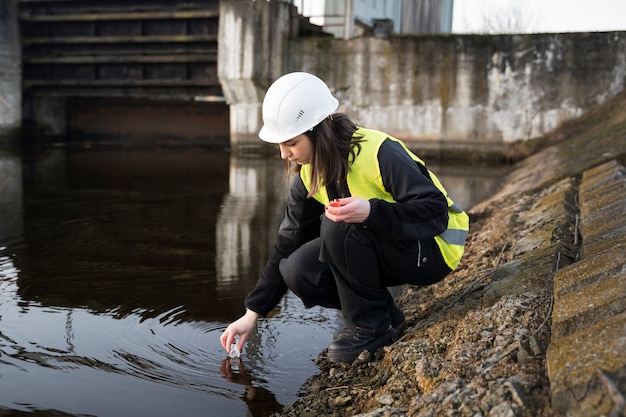
Riverview’s climate, characterized by its humid subtropical weather, often exposes properties to potential water damage. Whether due to heavy rainfall, flooding, or plumbing failures, effective water extraction and drying techniques are crucial for restoring affected areas to their original state. Understanding and implementing these techniques can prevent further damage, mold growth, and structural issues. This article delves into the best practices and emerging strategies in water extraction and drying that are particularly relevant to Riverview’s environment.
Understanding the Water Extraction Process
Water extraction involves removing excess water from a property to minimize damage. This process is the first critical step in restoring a water-damaged area. Effective water extraction techniques include:
- Assessment and Inspection: Evaluating the extent of water damage and identifying the source is crucial. This step ensures that the most effective extraction methods are employed.
- Use of Advanced Equipment: High-powered pumps and vacuums quickly remove standing water from affected areas. Learn about our tailored solutions for advanced extraction technology here.
- Quick Response: Time is of the essence. Immediate action reduces the risk of severe damage and minimizes restoration costs.
Effective Drying Techniques
After water extraction, thorough drying is essential to prevent further complications such as mold growth and structural weakening. Discover expert strategies here to ensure effective drying.
Utilization of Dehumidifiers and Air Movers
Dehumidifiers and air movers work in tandem to eliminate moisture from the air and surfaces. This combination accelerates the drying process and helps maintain indoor air quality.
- Dehumidifiers: These devices absorb moisture from the air, which is critical in humid environments like Riverview.
- Air Movers: These machines promote air circulation, facilitating faster evaporation of moisture from wet surfaces.
Monitoring Moisture Levels
Continuous monitoring of moisture levels is crucial throughout the drying process. Modern technology allows for precise measurements, ensuring that drying is completed effectively. Explore advanced guides and tips on monitoring techniques here.
Application of Heat Drying Methods
Heat drying accelerates moisture evaporation, particularly in enclosed or hard-to-reach areas. This method is especially beneficial in removing moisture from building materials like drywall and wood.
Preventive Measures and Maintenance
Preventive strategies are essential to mitigate future water damage risks. Proactive measures include:
- Regular Inspections: Routine checks of plumbing systems and building exteriors can identify vulnerabilities before they develop into major issues.
- Installation of Water Detection Systems: These systems alert property owners to leaks or flooding, enabling swift action.
- Proper Drainage Systems: Ensuring that gutters and drains are clear and functional prevents water accumulation around the property. Find out more about this approach here.
Conclusion
Effective water extraction and drying techniques are vital for maintaining the integrity of properties in Riverview. By employing advanced technologies and adhering to best practices, property owners can mitigate damage and ensure a swift return to normalcy. For comprehensive insights and professional guidance, learn more about tailored solutions available in the region. Such strategic approaches safeguard against future incidents and promote a resilient built environment.