Creating Efficient Spaces with Modular Construction Technology
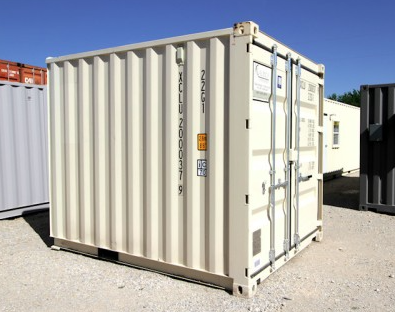
Modular construction technology is revolutionizing the way spaces are designed and utilized across various industries. By leveraging prefabricated modules that are constructed off-site and then delivered to the location for assembly, this approach offers a significant improvement in efficiency, flexibility, and sustainability. As the demand for quicker, cost-effective, and environmentally friendly construction solutions grows, modular construction has emerged as a viable choice for both commercial and residential projects. This article explores how modular construction technology is reshaping the landscape of space creation, offering a glimpse into the future of building design and execution.
Understanding Modular Construction
Modular construction involves the use of prefabricated building units, known as modules, which are manufactured in a factory setting and shipped to the construction site. This method offers several advantages over traditional construction techniques:
- Reduced construction time due to simultaneous site development and module fabrication.
- Enhanced quality control achieved through factory-based production.
- Improved sustainability with minimal waste generation and efficient use of materials.
- Flexibility in design and the potential for future expansion or reconfiguration.
For those interested in exploring modular construction further, learn about our tailored solutions that cater to diverse building needs.
Applications of Modular Construction
The versatility of modular construction makes it suitable for a wide range of applications. Here are some sectors where this technology is making significant impacts:
Residential Buildings
Modular construction is increasingly popular in residential projects, offering:
- Customizable living spaces that can be adapted to specific needs.
- Faster build times, reducing the wait for occupancy.
- Cost-effective solutions for affordable housing initiatives.
For more detailed insights on residential modular construction, find out more about this approach.
Commercial Projects
In the commercial sector, modular construction is used to build:
- Offices and workspaces that can be quickly reconfigured as business needs evolve.
- Retail spaces that offer rapid deployment in response to market demands.
- Hospitality structures such as hotels, where speed and efficiency are crucial.
To explore advanced guides and tips for commercial applications, discover expert strategies here.
Benefits of Modular Construction
The benefits of modular construction extend beyond speed and cost-efficiency. Some additional advantages include:
- Safety: Factory production environments offer a controlled setting, reducing on-site hazards.
- Precision: Technological advancements allow for precise manufacturing, resulting in high-quality finishes.
- Scalability: Projects can be easily scaled by adding more modules as needed.
For an in-depth exploration of these benefits, explore advanced guides and tips that shed light on the complexities and advantages of modular construction.
Challenges and Considerations
Despite its numerous advantages, modular construction also presents some challenges, such as:
- Transportation logistics for large modules.
- Site preparation to accommodate modular units.
- Regulatory compliance and the need for specialized permits.
Addressing these challenges requires careful planning and expert guidance. For more information on overcoming these hurdles, learn about our tailored solutions.
The Future of Modular Construction
The future of modular construction looks promising as innovation continues to drive the industry forward. With advancements in materials, design, and technology, modular construction is set to play a pivotal role in shaping sustainable and efficient building practices. As the construction industry embraces these changes, staying informed and adaptable will be key to capitalizing on the opportunities presented by this transformative technology.
For those interested in keeping pace with the latest developments in modular construction, discover expert strategies here to ensure projects are at the forefront of innovation.