Comprehensive Water Testing Services at Our Analysis Lab
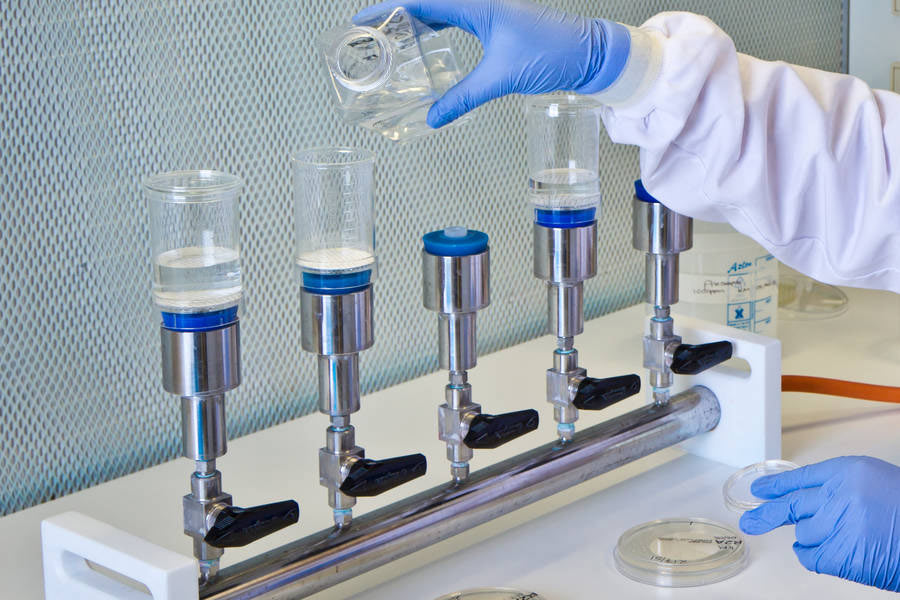
In an era where water quality is paramount for health, safety, and environmental sustainability, comprehensive water testing services have become essential. Reliable data on water composition is crucial for industries, municipalities, and private consumers alike. The analysis laboratory environment is designed to provide accurate, detailed, and timely results, ensuring that water quality standards are met and maintained. This article delves into the intricacies of water testing services, highlighting the methodologies, benefits, and applications that underscore their importance.
Understanding Water Testing Services
Water testing encompasses a broad spectrum of analyses, each tailored to specific needs and regulations. The following elements often form the foundation of a comprehensive water testing service:
- Chemical Analysis: Evaluating the presence of chemicals such as chlorides, nitrates, and heavy metals.
- Microbiological Testing: Identifying potentially harmful bacteria and viruses.
- Physical Assessment: Measuring turbidity, color, and odor.
- Radiological Testing: Detecting radioactive contaminants.
For a deeper understanding of these methods, discover expert strategies here that detail each testing process and its significance.
Advanced Technologies in Water Testing
The integration of advanced technologies has revolutionized water testing services. Laboratories now employ state-of-the-art equipment and techniques to enhance precision and efficiency in water analysis.
Key Technological Innovations:
- Ion Chromatography: A method for separating ions and polar molecules based on their charge.
- Mass Spectrometry: Used to identify compounds by their mass-to-charge ratio.
- Polymerase Chain Reaction (PCR): Amplifies DNA sequences to detect bacterial presence.
- Spectrophotometry: Used to measure how much a chemical substance absorbs light.
Explore advanced guides and tips on leveraging these technologies in water testing by visiting this resource.
Applications of Water Testing Services
Water testing services are pivotal in numerous sectors, ensuring compliance with health, safety, and environmental regulations. Here are some key applications:
- Public Health: Protecting communities by ensuring drinking water is free from pathogens and toxins.
- Environmental Monitoring: Assessing water bodies to prevent ecosystem disruption.
- Industrial Usage: Ensuring water quality for manufacturing processes and preventing equipment corrosion.
- Agricultural Needs: Monitoring irrigation water to prevent soil degradation and crop contamination.
Learn more about tailored solutions for different sectors by visiting this detailed guide.
Benefits of Regular Water Testing
Regular water testing offers numerous benefits that extend beyond regulatory compliance. Some of the key advantages include:
- Risk Mitigation: Early detection of contaminants prevents potential health crises.
- Cost Efficiency: Prevents costly repairs and health treatments by addressing issues early.
- Data-Driven Decision Making: Provides valuable data for informed decision-making processes.
- Sustainability: Aids in the sustainable management of water resources.
Find out more about this approach and how it can benefit various stakeholders at this link.
Conclusion
Comprehensive water testing services serve as a cornerstone for maintaining water quality across diverse applications. By harnessing advanced technologies and methodologies, laboratories provide indispensable insights that promote health, safety, and sustainability. Whether for public health, industrial processes, or environmental stewardship, the value of thorough water analysis cannot be overstated. For further exploration of water testing methodologies and their applications, industry professionals can learn more here.