Premium Asbestos Disposal Services Available
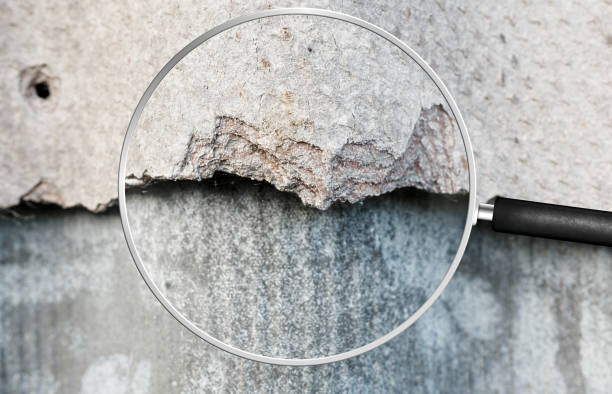
Asbestos has long been a material of concern due to its potential health risks. Once widely used for its durability and heat resistance, it is now recognized as a hazardous material that requires careful handling during disposal. Specialized services are essential to manage the risks associated with asbestos removal and disposal effectively. This article delves into the importance of professional asbestos disposal services, outlining best practices and the various steps involved in ensuring safe and compliant operations.
Understanding Asbestos and Its Risks
Asbestos is a group of naturally occurring minerals known for their fibrous properties. While valued in the past for construction and insulation, the inhalation of asbestos fibers can lead to severe health issues, including lung cancer, asbestosis, and mesothelioma. Due to these risks, strict regulations govern the handling and disposal of asbestos materials.
Read more about this topic.
Why Professional Asbestos Disposal Services Are Essential
Engaging professional services for asbestos disposal is crucial for several reasons:
- Compliance with health and safety regulations to prevent exposure to hazardous materials.
- Specialized equipment and trained personnel to safely handle and transport asbestos.
- Proper disposal in designated facilities to reduce environmental contamination.
- Documentation and certification for legal compliance and peace of mind.
To understand the detailed processes involved, learn more in this detailed guide about professional asbestos disposal services.
Steps Involved in Asbestos Disposal
1. Initial Assessment and Survey
The process begins with a thorough assessment to identify the presence and condition of asbestos in a building or site. This step is critical to determining the appropriate disposal method and ensuring all safety protocols are in place.
2. Containment and Removal
Once identified, the asbestos is carefully contained to prevent fiber release. Trained professionals then remove the material using specialized equipment and protective gear to ensure safety.
3. Transportation and Disposal
Asbestos waste must be transported in sealed containers to prevent contamination during transit. It is then disposed of at authorized facilities that are equipped to handle hazardous waste.
Explore further insights here on the transportation and disposal process.
Choosing the Right Asbestos Disposal Service
When selecting a service provider, consider the following:
- Certification and licensing to ensure compliance with local regulations.
- Experience and expertise in handling asbestos-related projects.
- Reputation for safety and reliability in service delivery.
- Clear communication and transparent cost estimates.
Find additional information here to aid in choosing the best asbestos disposal service for your needs.
Conclusion
Asbestos disposal is a critical process that necessitates professional expertise to ensure safety and compliance with health standards. Whether handling small-scale residential projects or large industrial sites, premium asbestos disposal services play a pivotal role in safeguarding public health and the environment. By understanding the processes and choosing the right service providers, individuals and organizations can effectively manage the risks associated with asbestos.