Trusted Commercial Soundproofing
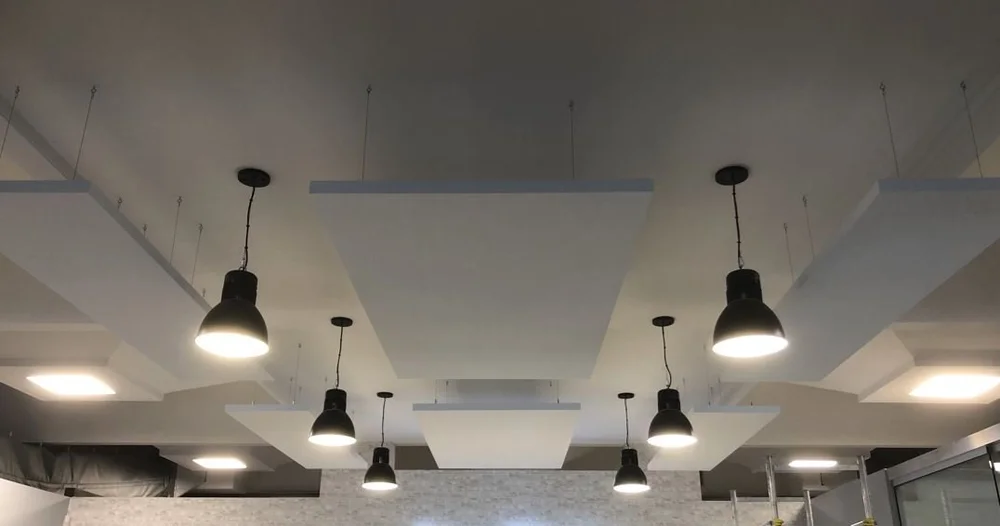
In today’s bustling business environment, the significance of sound management in commercial spaces cannot be overstated. Soundproofing is not only essential for maintaining the auditory comfort of employees but also for ensuring confidentiality, enhancing productivity, and improving overall customer satisfaction. Trusted commercial soundproofing solutions are designed to address these needs while adapting to the architectural and functional demands of different types of commercial establishments.
Understanding Commercial Soundproofing
Commercial soundproofing involves the use of various materials and techniques to reduce noise pollution in business environments. The primary goal is to prevent external noise from entering the space and to control the sound produced within the premises. This is crucial in environments such as offices, conference rooms, and healthcare facilities where noise control can directly impact efficiency and privacy.
Key Benefits of Soundproofing in Commercial Spaces
- Enhanced Privacy: Soundproofing prevents confidential conversations from being overheard, which is critical in sectors such as finance and legal.
- Reduced Noise Pollution: Minimizes the impact of external noise from traffic, construction, and urban environments.
- Improved Employee Well-being: Creates a more comfortable and focused work environment, reducing stress and fatigue.
- Increased Productivity: Helps minimize disruptions, allowing employees to maintain concentration and efficiency.
For more information on how soundproofing can benefit different commercial environments, learn more in this detailed guide.
Soundproofing Techniques and Materials
Commercial soundproofing employs a variety of techniques and materials designed to meet specific acoustic needs. The choice of method often depends on the type of space, the level of noise reduction required, and budget considerations.
Common Soundproofing Methods
- Acoustic Panels: These panels absorb sound waves, reducing echo and reverberation within a room.
- Soundproof Windows and Doors: Specialized windows and doors designed to block external noise effectively.
- Insulation Materials: Dense insulation materials can be installed within walls and ceilings to prevent sound transmission.
- Floor Underlays: These are used to reduce noise from footsteps and other impacts.
To explore further insights into soundproofing materials and techniques, find additional information here.
Implementing a Soundproofing Strategy
Integrating an effective soundproofing strategy involves several steps, from initial assessment to the final installation. It is important to evaluate the specific requirements of the commercial space, including the type of noise, the level of soundproofing desired, and the existing architectural features.
- Assessment: Conduct a thorough acoustic assessment to understand the specific noise issues and requirements of the space.
- Design: Develop a customized soundproofing plan that addresses the identified needs and integrates seamlessly with current architectural designs.
- Installation: Ensure professional installation of soundproofing materials to maximize their effectiveness.
- Maintenance: Regular checks and maintenance of soundproofing installations to ensure long-term performance.
For those looking to implement an effective soundproofing strategy, explore further insights here.
Conclusion
Investing in trusted commercial soundproofing solutions is a strategic decision that can significantly enhance the functionality and comfort of business environments. By understanding the benefits and implementing a tailored soundproofing strategy, businesses can create a more productive and pleasant atmosphere for both employees and clients. Read more about this topic to discover how soundproofing can transform commercial spaces.