EPA Certified Services for Reliable Lead Inspections
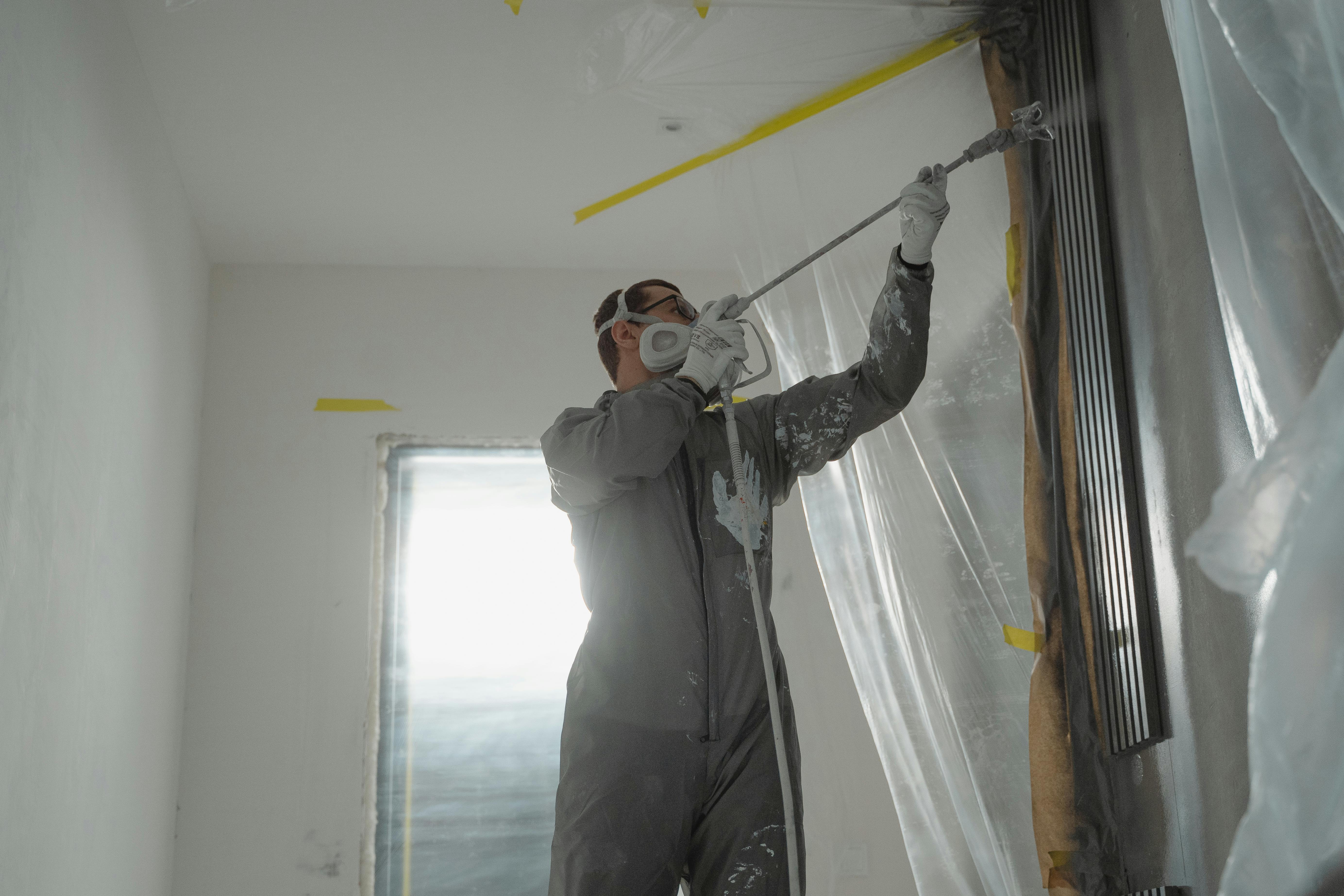
Lead-based paint and other lead-related hazards pose significant health risks, particularly in older buildings. The Environmental Protection Agency (EPA) has developed specific guidelines and certifications to ensure that lead inspections are conducted safely and effectively. EPA certified services play a crucial role in identifying and managing these hazards, ensuring that environments, especially those frequented by children and pregnant women, are safe. Understanding the importance of these services, their processes, and how to engage with certified professionals is essential for property owners, managers, and buyers.
The Importance of EPA Certification
EPA certification is a mark of reliability and adherence to federal standards for lead inspection and abatement. Engaging with professionals who hold this certification provides several benefits:
- Assurance of compliance with federal regulations.
- Recognition of the latest techniques and industry best practices.
- Access to trained personnel with a comprehensive understanding of lead hazards.
Read more about this topic by visiting the EPA’s guidance on lead inspection certification.
What to Expect During a Lead Inspection
Initial Assessment
The process typically begins with a thorough initial assessment. During this phase, certified inspectors evaluate the property for potential lead hazards, often focusing on surfaces with peeling or chipping paint, dust, and soil around the building.
Learn more in this detailed guide about the initial steps of lead hazard identification.
Sampling and Testing
Once potential hazards are identified, the next step involves sampling and testing. This may include:
- Collecting paint chips from various locations.
- Taking dust samples from floors, window sills, and other surfaces.
- Soil sampling from around the property’s perimeter.
Testing these samples in a certified laboratory provides accurate results that form the basis for any necessary abatement actions.
Find additional information here regarding sample testing procedures.
Documentation and Reporting
After the inspection and testing are complete, a comprehensive report is prepared. This report details the findings, including locations of lead hazards, and provides recommendations for remediation. The documentation is crucial for property transactions, legal compliance, and future reference.
Explore further insights into the importance of detailed reporting following a lead inspection.
Mitigating Lead Hazards
Once a property has been inspected and lead hazards identified, mitigation strategies must be implemented. This process is often outlined in the inspection report and can include:
- Encapsulation of lead paint using special coatings that seal the surface.
- Removal and replacement of lead-contaminated components, such as windows or doors.
- Professional cleaning to remove dust and other residues.
- Regular monitoring and maintenance to ensure lead levels remain safe.
Learn more about these strategies and their implementation by visiting this comprehensive resource.
Choosing the Right EPA Certified Inspector
Selecting the right inspector is crucial to ensure a reliable and thorough lead inspection. Consider these factors when making your choice:
- Verify the inspector’s EPA certification and credentials.
- Request references and check the inspector’s track record.
- Ensure clear communication about the inspection process and reporting.
For more guidance on this process, find additional information here.
In conclusion, EPA certified services are essential for reliable lead inspections. They ensure that environments are safe, compliance is maintained, and lead hazards are effectively managed. Engaging with certified professionals not only addresses immediate concerns but also provides long-term benefits by ensuring ongoing safety and compliance. For more comprehensive insights, explore further insights here.