The Ultimate Guide to Building Joinery in Croatia
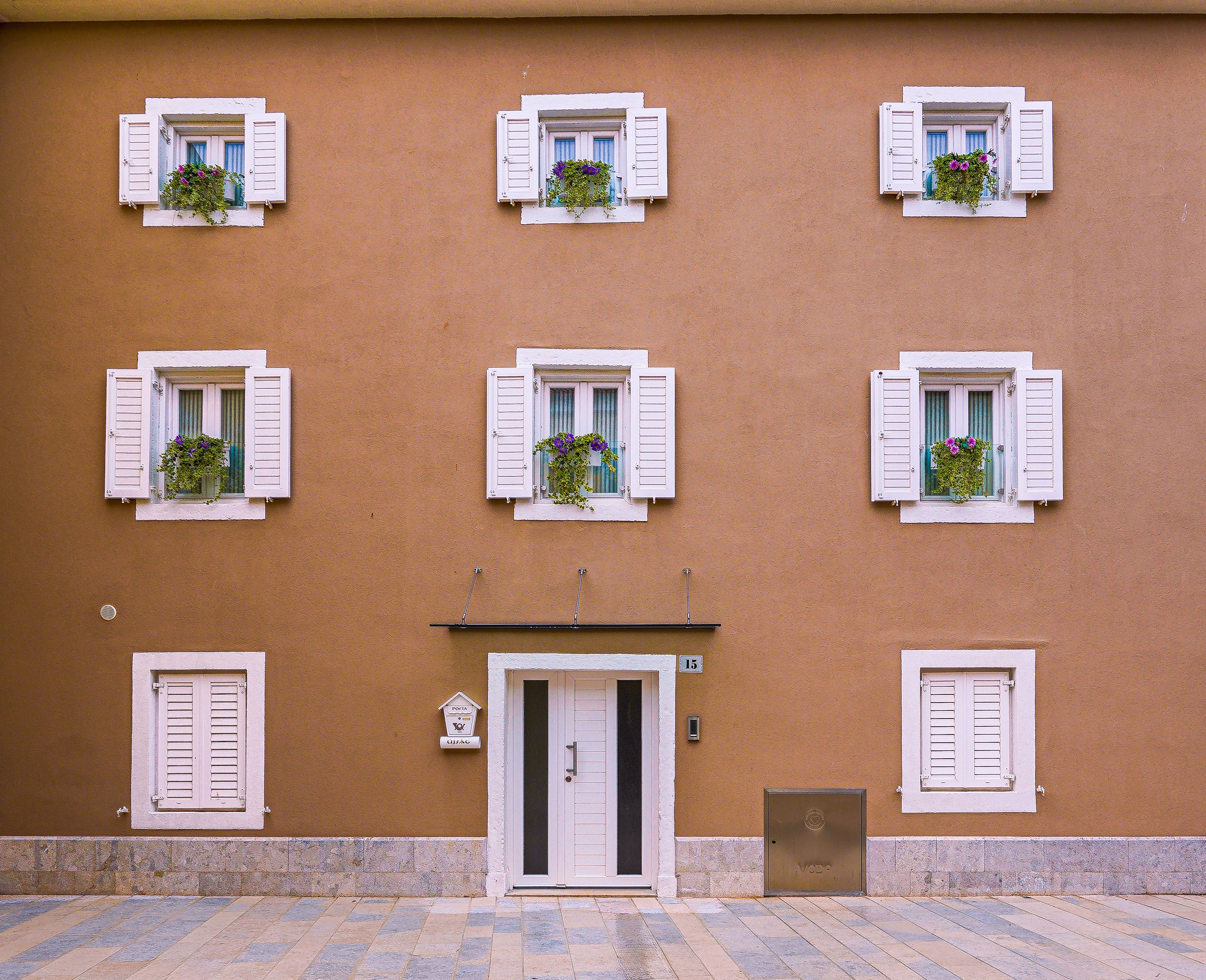
Croatia, known for its stunning landscapes and rich architectural heritage, has a growing demand for quality building joinery. As homes and commercial spaces evolve, there’s an increasing emphasis on integrating functional and aesthetically pleasing joinery. Whether renovating a traditional Dalmatian stone house or constructing a modern villa along the Adriatic coast, understanding the nuances of building joinery is essential for architects, builders, and homeowners alike. This guide aims to provide a comprehensive overview of building joinery practices in Croatia, offering insights into materials, techniques, and trends that define this specialized field.
Understanding Building Joinery
What is Building Joinery?
Building joinery refers to the crafting of wooden components that are integral to the structure and interior of a building. This includes elements like doors, windows, stairs, and cabinetry. The precision and skill involved in joinery work ensure not only the functionality and durability of these components but also contribute significantly to the aesthetic appeal of a space.
Importance of Quality Joinery
- Enhances the structural integrity and lifespan of a building.
- Provides a seamless blend of aesthetics and functionality.
- Contributes to energy efficiency, especially in window and door installations.
- Increases the overall value of the property.
Materials Used in Croatian Joinery
The selection of materials is crucial in ensuring the durability and appearance of joinery work. In Croatia, joiners often use:
- Solid Wood: Oak, beech, and walnut are popular choices for their strength and beauty.
- Engineered Wood: Plywood and MDF offer cost-effective and versatile options for various applications.
- Metal Accents: Incorporating metal components can enhance both the strength and modern appeal of joinery pieces.
For more detailed information on materials, explore this Building Joinery Croatia link.
Key Techniques in Joinery
Traditional vs. Modern Techniques
Joinery techniques in Croatia have evolved significantly, balancing between traditional craftsmanship and modern innovation.
- Traditional Methods: Mortise and tenon joints, dovetails, and dowels are time-tested techniques that provide robust connections.
- Modern Methods: Use of advanced adhesives, CNC machinery, and modular joinery systems to enhance precision and efficiency.
Installation Practices
Proper installation is critical to the performance and longevity of joinery components. Key practices include:
- Ensuring accurate measurements and fit.
- Utilizing weather-resistant sealants and finishes, particularly for window & door installation Croatia.
- Adhering to local building codes and standards.
Current Trends in Croatian Joinery
The joinery industry in Croatia is witnessing several trends that reflect global influences while respecting local traditions:
- Sustainability: Increasing use of eco-friendly materials and practices.
- Customization: Demand for bespoke joinery that caters to individual preferences and spatial requirements.
- Integration of Technology: Smart home integration with joinery that accommodates advanced hardware and systems.
Conclusion
Building joinery in Croatia is a vital aspect of construction that marries functionality with design. Whether working on heritage renovations or new builds, understanding the intricacies of joinery can lead to successful and sustainable projects. As the industry continues to evolve, staying informed about materials, techniques, and trends will be essential for anyone involved in construction or renovation.