How Rubber Conveyor Belt Manufacturers Innovate
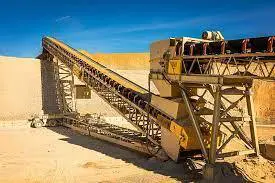
The manufacturing of rubber conveyor belts has witnessed significant innovations over the years. These innovations are driven by the need to enhance efficiency, durability, and adaptability to various industrial requirements. As industries demand more sophisticated material handling solutions, manufacturers are adopting cutting-edge technologies and materials to meet these needs. This article delves into the innovative strategies employed by rubber conveyor belt manufacturers to remain competitive and cater to diverse industry demands.
Innovative Materials and Technologies
One of the primary ways manufacturers innovate is by leveraging advanced materials and technologies. These advancements contribute to the development of conveyor belts that are more durable, efficient, and suited to specific industrial needs. Key innovations include:
- High-Performance Polymers: Modern conveyor belts often use high-performance polymers that offer enhanced resistance to wear and tear, thereby extending the belt’s lifespan.
- Smart Technologies: Integration of sensors and IoT devices in conveyor belts allows for real-time monitoring of belt performance. This facilitates predictive maintenance and reduces downtime.
- Eco-Friendly Materials: With growing environmental concerns, manufacturers are turning to eco-friendly materials that reduce the carbon footprint without compromising on performance.
For a deeper understanding of how these materials are transforming the industry, explore advanced guides and tips on selecting the right conveyor belt for specific applications.
Customization and Tailored Solutions
Customization is another area where manufacturers excel. By offering tailored solutions, they can meet the unique needs of different industries, from mining to food processing. Customization involves:
- Specific Design Requirements: Manufacturers create belts with specific dimensions, patterns, and features to suit individual client requirements.
- Material Selection: Depending on the application, different materials are used to enhance performance, such as temperature-resistant or chemical-resistant materials.
- Speed and Load Capacity: Adjusting the belt’s speed and load capacity to optimize the efficiency of production lines.
Learn about our tailored solutions by visiting this approach to customization.
Research and Development
Continuous research and development (R&D) are critical for innovation in the conveyor belt industry. Manufacturers invest heavily in R&D to discover new technologies and improve existing products. This commitment leads to:
- Breakthrough Innovations: Development of new products that redefine efficiency and safety standards.
- Process Optimization: Enhanced manufacturing processes that improve quality control and production efficiency.
- Collaboration with Academia: Partnering with academic institutions to stay ahead of technological trends and incorporate cutting-edge research into product development.
For more insights into the role of research in innovation, discover expert strategies here.
Challenges and Future Directions
Addressing Industry Challenges
Despite advancements, manufacturers face several challenges that require constant adaptation. These include:
- Regulatory Compliance: Navigating the complex landscape of industry regulations while ensuring product safety and environmental compliance.
- Cost Management: Balancing innovation with cost-efficiency to remain competitive in a price-sensitive market.
- Supply Chain Disruptions: Managing global supply chain issues to ensure timely delivery of materials and products.
Future Innovations
Looking ahead, manufacturers are focusing on further innovations, such as:
- AI and Machine Learning: Utilizing AI to enhance predictive maintenance and optimize conveyor belt performance.
- Advanced Manufacturing Techniques: Implementing 3D printing and other advanced techniques to reduce production times and costs.
- Greater Sustainability: Continuing to develop sustainable manufacturing practices and products that align with global environmental goals.
To find out more about these future directions and challenges, explore advanced guides and tips on industry trends.
In conclusion, the rubber conveyor belt manufacturing industry is poised for continued innovation, driven by technological advancements and the ever-evolving needs of various sectors. Through a commitment to quality, customization, and sustainability, manufacturers are not only meeting current demands but also setting the stage for future growth and development. By understanding these dynamics, businesses can make informed decisions when selecting conveyor belt solutions that align with their goals and operational requirements.