Hassle-Free Air Conditioning Installation
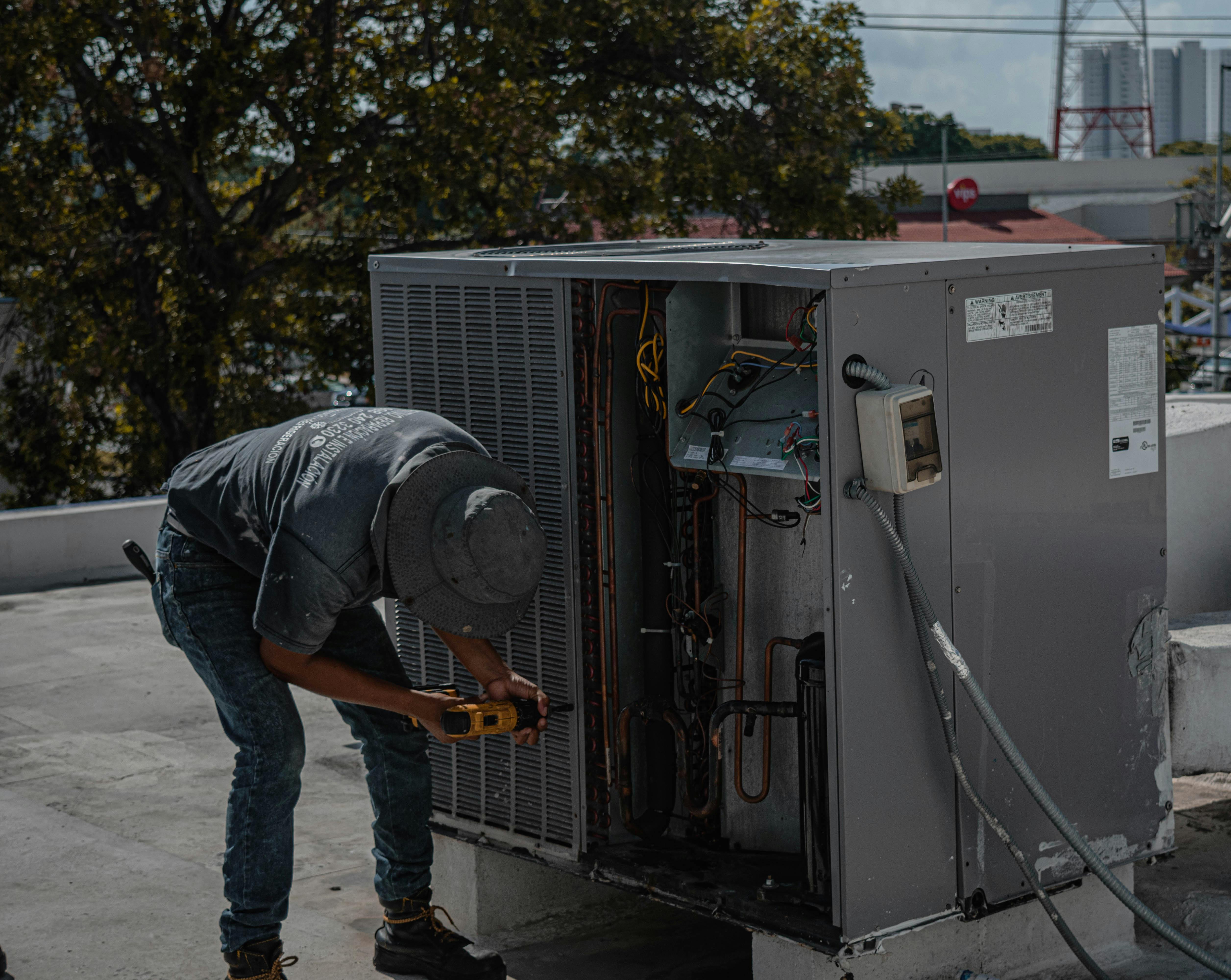
As temperatures rise, ensuring a comfortable indoor environment becomes a priority for many homeowners. A well-functioning air conditioning system is essential for maintaining this comfort. However, the process of installing such systems can often appear daunting. This guide aims to simplify the process, highlighting key considerations and offering insight into achieving a smooth and efficient air conditioning installation.
Understanding the Basics of Air Conditioning Installation
Before diving into the installation process, it is essential to understand the fundamental aspects of air conditioning systems. These systems not only provide cooling but also enhance indoor air quality and energy efficiency.
Key Components
- Evaporator Coil: Absorbs heat from the indoor air.
- Compressor: Pumps cool refrigerant through the system.
- Condenser Coil: Releases the absorbed heat outside.
- Air Handler: Circulates air throughout the home.
Types of Air Conditioning Systems
- Central Air Conditioning
- Split-System Air Conditioners
- Ductless Mini-Split Systems
- Heat Pumps: Dual function for heating and cooling
Choosing the Right Air Conditioning System
Selecting the right system involves considering factors such as the size of the home, climate, and budget. Professional guidance can help in making an informed decision, ensuring the system’s efficiency and longevity. Explore various HVAC installation services to ensure the best fit for your home.
Factors to Consider
- Home Size and Layout: Larger homes may require multiple units or a more powerful system.
- Energy Efficiency: Opt for systems with high SEER ratings for cost-effective cooling.
- Budget: Balance between upfront costs and long-term savings through energy efficiency.
Steps for a Hassle-Free Installation
A successful air conditioning installation involves careful planning and execution. By following these steps, homeowners can ensure a smooth process:
1. Pre-Installation Assessment
A thorough assessment of the home is crucial. This involves evaluating the existing ductwork, electrical systems, and space requirements. Engaging with professional HVAC services can provide a comprehensive evaluation.
2. System Selection and Purchase
Based on the assessment, choose an air conditioning system that meets your requirements. Consider consulting with experts to explore options like energy-efficient HVAC systems.
3. Installation Process
The installation should be carried out by certified technicians to ensure safety and compliance with local regulations. This step includes setting up the indoor and outdoor units, connecting refrigerant lines, and ensuring proper insulation.
Post-Installation and Maintenance
After installation, regular maintenance is key to prolonging the life of the system. Homeowners should schedule routine HVAC maintenance services to ensure optimal performance.
Maintenance Tips
- Regular filter changes to maintain air quality and efficiency.
- Annual inspections by professionals to prevent unexpected breakdowns.
- Monitoring refrigerant levels and cleaning coils for consistent performance.
A hassle-free air conditioning installation is achievable with proper planning and expert assistance. By understanding the fundamentals and engaging with knowledgeable professionals, homeowners can enjoy a comfortable indoor environment all year round. For more information on residential HVAC services, consider exploring trusted service providers.