Expert Spinal Problem Treatment
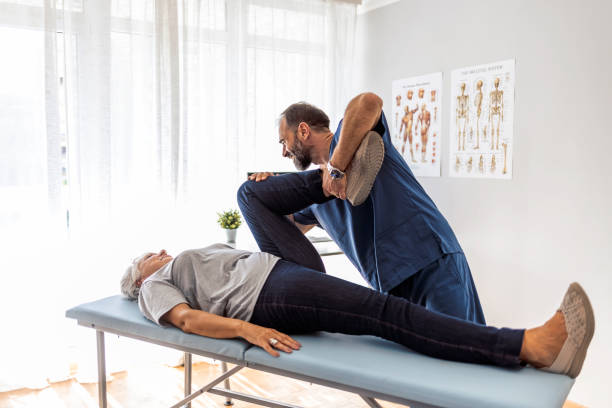
Spinal problems are a significant concern for many individuals, impacting overall quality of life and daily functionality. With the spine being the central support structure for the body, any issues can lead to discomfort and potentially debilitating conditions. From common ailments like herniated discs and scoliosis to more intricate disorders such as spinal stenosis, addressing these problems effectively requires a comprehensive approach. Understanding the available treatment options and their benefits can empower individuals facing these challenges to make informed decisions about their health and well-being.
Understanding Spinal Problems
The spine is a complex system of bones, nerves, and muscles that work together to support the body and facilitate movement. Spinal problems can arise from various factors, including:
- Aging and natural wear and tear.
- Injuries from accidents or falls.
- Poor posture and sedentary lifestyle.
- Genetic predispositions.
For those experiencing symptoms such as persistent back pain, numbness, or mobility issues, it is crucial to seek professional evaluation. Early diagnosis and intervention can significantly improve outcomes and enhance quality of life.
Innovative Treatment Options
Addressing spinal problems effectively involves a variety of treatment modalities, ranging from conservative approaches to surgical interventions. Discover expert strategies here.
Conservative Treatments
Non-surgical treatments are often the first line of defense for managing spinal problems. These may include:
- Physical therapy to strengthen muscles and improve flexibility.
- Chiropractic care for spinal alignment and pain relief.
- Medication to manage pain and inflammation.
- Lifestyle modifications, such as ergonomic adjustments and exercise.
These approaches can be highly effective for many individuals, reducing symptoms and preventing further deterioration of the condition. Learn about our tailored solutions for optimizing spinal health.
Advanced Surgical Interventions
In cases where conservative treatments are insufficient, surgical options may be considered. These procedures are typically more invasive but can provide substantial relief for chronic conditions. Surgical interventions might include:
- Spinal fusion to stabilize the affected vertebrae.
- Discectomy to remove herniated disc material.
- Decompression surgery to relieve pressure on spinal nerves.
The decision to pursue surgery should be made in consultation with a spinal specialist, who can provide guidance based on the individual”?s specific condition and overall health. Explore advanced guides and tips for surgical options available.
Preventative Measures and Lifestyle Adjustments
Preventing spinal problems or mitigating their progression involves proactive measures and lifestyle adjustments. Key strategies include:
- Maintaining a healthy weight to reduce strain on the spine.
- Engaging in regular physical activity to enhance spine support.
- Practicing good posture both sitting and standing.
- Incorporating ergonomic furniture in workspaces.
By adopting these practices, individuals can help protect their spine and maintain a healthier, more active lifestyle. Find out more about this approach to preventative care.
Conclusion
Spinal health is an integral component of overall well-being, and addressing spinal problems with the appropriate treatment can lead to significant improvements in quality of life. Whether through conservative management or surgical intervention, the path to recovery involves a tailored approach that considers the unique needs of each individual. Staying informed about the latest treatment options and preventative measures can empower individuals to take control of their spinal health and achieve lasting results.